Showing posts with label fall. Show all posts

04 November 2012

To Autumn


  John Keats (1795-1821)
                                 
1.

    Season of mists and mellow fruitfulness, 
        Close bosom-friend of the maturing sun; 
    Conspiring with him how to load and bless 
        With fruit the vines that round the thatch-eves run; 


To bend with apples the moss’d cottage-trees, 
        And fill all fruit with ripeness to the core; 
            To swell the gourd, and plump the hazel shells 
    With a sweet kernel; to set budding more, 


 And still more, later flowers for the bees, 
        Until they think warm days will never cease, 
            For Summer has o’er-brimm’d their clammy cells.


       2.

    Who hath not seen thee oft amid thy store? 
        Sometimes whoever seeks abroad may find 
    Thee sitting careless on a granary floor, 
        Thy hair soft-lifted by the winnowing wind; 


Or on a half-reap’d furrow sound asleep, 
        Drows’d with the fume of poppies, while thy hook 
            Spares the next swath and all its twined flowers: 
    And sometimes like a gleaner thou dost keep 
        Steady thy laden head across a brook; 
        Or by a cyder-press, with patient look, 
            Thou watchest the last oozings hours by hours.


 3.

    Where are the songs of Spring? Ay, where are they? 
        Think not of them, thou hast thy music too,— 
    While barred clouds bloom the soft-dying day, 
        And touch the stubble plains with rosy hue; 


 Then in a wailful choir the small gnats mourn 
        Among the river sallows, borne aloft 
            Or sinking as the light wind lives or dies; 
    And full-grown lambs loud bleat from hilly bourn; 


        Hedge-crickets sing; and now with treble soft 
        The red-breast whistles from a garden-croft; 
           And gathering swallows twitter in the skies

20 September 2012

Equinox

 Leaving September


If I have once forgotten on this field
The long light of the dusk, or far away


The sheep on tawny grass, how stones will yield
Small bitter puffballs, or a cricket stay


To wring wry tunes from emptiness and dearth,
Let me remember; let me hold them now

Close to the heart--while I upon the earth
Am the stone field and pain the heavy plow.


Not in wide measures is the harvest culled;
Not by disaster nor by cutting hail


Is the loss seen, the grief is somewhat dulled--
Being done at last. Ours is a different scale--
Leaving September stars and a little smoke
And memory tight as a lichen to an oak.
--Loren Eiseley


21 September 2011

Lonely sunsets


It seems to be Loren Eiseley day around here. The onset of autumn will do that to you. It's a peculiar blend of acute melancholia, happy reflection, somber remembrance, and delight in the season's sudden slanting golden light. Around here, we don't exactly kick through piles of fallen leaves (we might if they weren't so scarce): we seek out the changing landscapes, physical and temporal. So did Loren. He captured the autumnal feel of the South Dakota and Nebraska badlands better than anyone else.

“Man would not be man if his dreams did not exceed his grasp. ... Like John Donne, man lies in a close prison, yet it is dear to him. Like Donne's, his thoughts at times overleap the sun and pace beyond the body. If I term humanity a slime mold organism it is because our present environment suggest it. If I remember the sunflower forest it is because from its hidden reaches man arose. The green world is his sacred center. In moments of sanity he must still seek refuge there. ... If I dream by contrast of the eventual drift of the star voyagers through the dilated time of the universe, it is because I have seen thistledown off to new worlds and am at heart a voyager who, in this modern time, still yearns for the lost country of his birth.” 


“Nothing grows among its pinnacles; there is no shade except under great toadstools of sandstone whose bases have been eaten to the shape of wine glasses by the wind. Everything is flaking, cracking, disintegrating, wearing away in the long, inperceptible weather of time. The ash of ancient volcanic outbursts still sterilizes its soil, and its colors in that waste are the colors that flame in the lonely sunsets on dead planets.”


“Since the first human eye saw a leaf in Devonian sandstone and a puzzled finger reached to touch it, sadness has lain over the heart of man. By this tenuous thread of living protoplasm, stretching backward into time, we are linked forever to lost beaches whose sands have long since hardened into stone. The stars that caught our blind amphibian stare have shifted far or vanished in their courses, but still that naked, glistening thread winds onward. No one knows the secret of its beginning or its end. Its forms are phantoms. The thread alone is real; the thread is life.” 

24 October 2010

Out standing in the field

Cottonwood reverie

There are things that you can't teach in a classroom. For me, that list is growing enormously. In paleontology, for instance, nothing takes the place of taking the class to the site, rather than struggling to bring a simulation of the site into the classroom. This is an observational science, not an experimental one. If we want our students to be leaders in the field, I would argue that we have to take them into the field in the first place, to develop their skills as observers, documenters and problem-solvers.

We did just that again last week, visiting some key sites nearby and letting the students start working on an actual annual inventory of fossil resources. Because these sites have been poached, we were able to combine the inventory learning with an impromptu lecture on why this was CSI: South Dakota and what they should be looking for in terms of illegal removal and vandalism. It was a tremendous opportunity for all of us to learn in a half-day what would take me many more hours to explain in a classroom.

We all learn best by doing, by handling and manipulating, by seeing everything in situ and interconnected rather than separated and shorn of context. At some point, abstraction has to be linked back to the reality that first gave rise to the concept.

Om top of that, it was a perfect fall prairie day. Enjoy the scenery.

Moving up the hill from the cottonwoods

The group on the ridge in slanting morning light

Main hazard on this site: solitary male bison. This one was not much of a hazard, though. 

Fall colors on the hills and prairies

Subtle fall colors up close

Another bison, just as unimpressed.

13 October 2010

Cottonwood reflections

Cottonwoods turning, Vermillion

The one tree that defines the prairies is the cottonwood. It lines all available water sources, so that rivers from the air look like knotted green threads. It stabilizes the fragile prairie soils, survives fires, and provides wildlife habitat in life and in death. Blazing yellow cottonwoods lined our way home on the back roads from Vermillion to the Black Hills. Take a moment to enjoy the reflections and traces of fall.


Sumac, one of the few red touches out here

Cottonwood arch with a red-tailed hawk at a distance

Reflections...

...a thousand shades of gold and brown...

...glass-still water....

...beginning cottonwoods on the bank....

...and splendid old ones on the hill.

Milkweed pod, burst.

Perfect proportions.

Glowing colors...

...and distant waters.

Thirteen-lined ground squirrel foraging

Rabbit cloud

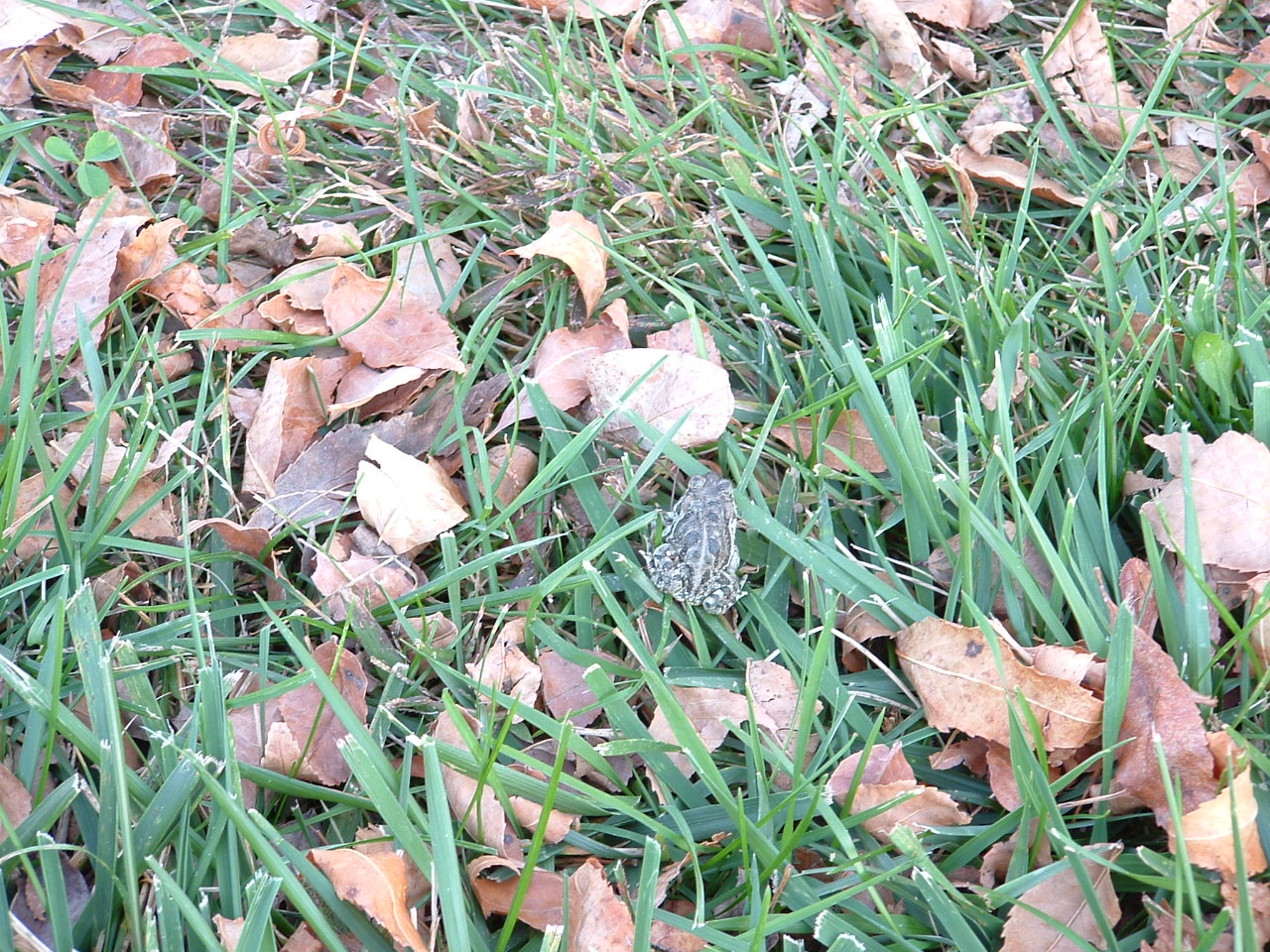
Small toad seeking warmth

Cottonwood with rainbows at sunrise.