17 November 2010

Thanksgiving thoughts: independence

Gene at Devils Tower, Wyoming

Along with several other people I know, I am taking some time in this week or so leading up to Thanksgiving to consider our gifts and graces. This year, I need to stop and reflect on what truly makes our lives meaningful and whole. It's not about the trimmings and trappings and other superficial embellishments; this year, it's about the things that truly define us.

Today's celebration is about independence, at a personal level. I am grateful for everything that keeps us all healthy and independent to the greatest degree possible. This is not an abstract concept in our home. We live with the daily awareness that independence is a treasure.


Gene birding in South Dakota

Gene and I don't dwell a lot on the MS that has limited his mobility. This is mainly due to his determination not to be limited any more than necessary. His own stubborn character provides the drive; several devices and medications facilitate it. Even a generation ago, he might have been forced to stay at home, to curtail his biological research and field work, and to have assistance in his activities at an early age.


There he goes....

MS is one of the auto-immune disorders about which so very little is really known. Gene does not dwell on why or how this has happened, and has remarkably little self-pity. Instead, one power chair and one modified van later, he is on the go, trekking as far off-road as he possibly can. He is a dedicated birder and takes the van and the chair everywhere he can possibly reach. He is tireless in zipping around town.

When we had to have the power chair repaired last year, the wheelchair store employees stared at Gene in shock as they removed great hunks of grass, brush and rocks from the undercarriage. I've seen lawnmower bags with less debris. The wheelchair guys are used to pristine chairs that stay on the pavement, not cross-country wonders that come in with half the prairie in the treads. Here's the interesting thing, though: they were beaming. Ecstatic. Incredibly happy that he was able to be so independent and active, delighted that the chair is more likely to be worn out than to rust out.


The investment in independence

As I count up our blessings this year, not just for us, but for all our friends and family, I'm placing personal independence high on the list. Our society has found, and is finding, so many ways to keep people healthy, active and independent, more than ever before. And independence is one of those quiet treasures that we often don't cherish enough until it is threatened or gone. It doesn't mean that we don't ask for or give help (we do); it means that we have a wide range of options and choices available to us. Options that an MS patient in the past might never have had.

Independence in our daily lives makes it possible for us to construct the networks we need and want without feeling trapped or isolated. I am thankful that we live in a time when people with needs are not shunted aside or stiflingly isolated as an automatic response. We have found that people are overwhelmingly likely to help when help is needed--the tricky part is being able to ask for it, and to accept it as generously as we give it. Maybe, at the end of the day, it's all about interdependence after all.

We don't know what the future holds, but, then, we never do. It's a good year for us this year on the independence front, and we'll take it. Giving help and asking for it are equally important. Remember that we all need to do both.

15 November 2010

Family recipe Monday: fall poultry casseroles


Chicken casserole

We are digging like maniacs through the Simple Gifts family recipe files in preparation for Thanksgiving. I'm not sure yet what we'll be cooking, or where. When you work on a college campus, you start gathering in the Thanksgiving orphans about now and planning a family-style celebration for everyone who doesn't have time to get home and back. The kitchen and dinner house may not be decided until the last minute and may not even be the same house. I'll post the menu as it develops with everyone's contributions. The best dinners are always the ones that reflect everyone's culture and heritage from all points of the map.

In the meantime, here are some casserole recipes from the older West Texas girls. These are also spectacular with leftover turkey, which is why I am posting them now.

Chicken casserole

7 chicken breasts
Salt to taste
Poultry seasoning to taste
Onion pieces
Celery pieces
1 medium onion, chopped
1 stick butter
1 10-oz can mushroom soup
1 10-oz can chicken soup
1 5-oz can evaporated milk
½ lb. sharp cheese, grated
½ tsp. Tabasco sauce
2 tsp. soy sauce
1 tsp. salt
½ tsp. pepper
1 tsp. MSG
2 T chopped pimientos
2 cans asparagus tips
1 8-oz can sliced mushrooms, drained
½ cup slivered almonds

Boil chicken in water seasoned with salt, poultry seasoning, onion and celery pieces. Sauté chopped onion in butter, and add remaining ingredients (except asparagus, mushrooms, chicken and almonds). Meanwhile, cool chicken. Bone and cut in bite-sized pieces. In a casserole, layer chicken, asparagus, and sauce. Repeat layers, ending with sauce. Top with almonds. Bake at 350* F for 45-60 minutes. Serves 8-10.
--Audrey Smith

Note:  As I have mentioned before, I am presenting the recipes as written, without edits. I don't want to rewrite history, and the ingredients and methods of these recipes (condensed soups, pimientos, etc.) lock them firmly into their time and place. That being said, I think you can safely skip the MSG if you suspect that anyone is sensitive or allergic to it. You can (and I would) also substitute fresh mushrooms and asparagus for canned ones. This is a big recipe, so you can observe the two-casserole rule. In fact, you should. There are casserole sharing laws, you know.

There are dozens of versions of this Texas favorite; I went with the one from Aunt Melba. I'm with her on the corn tortilla question--it makes a better casserole base to have several layers. Dipping the tortillas in warm sauce or stock is essential: don't skip this step, especially if the tortillas have been refrigerated.

King Ranch casserole

1 large fryer
Corn tortillas
1 onion, chopped
1 green pepper, chopped
1 can mushroom soup
1 can cream of chicken soup
1 can Ro-Tel tomatoes
1 T chili powder
¾ lb. grated cheese

Boil chicken. Bone and cut in bite-sized pieces. Dip tortillas in chicken stock for a second and line bottom and sides of oiled casserole dish. Simmer onions and pepper in stock until tender. Mix with soups, tomatoes and chili powder. Put layer of chicken on tortillas and add layer of soup mixture. Put another layer of tortillas, chicken and rest of soup mixture. Top with cheese. Bake about 45 minutes at 350* F.

Melba’s note: I use several layers instead of 2 because we like the tortillas.
--Melba Campbell Johnson

Here is another one from Melba: simple but elegant.


Melba’s chicken and rice
Brown chicken in ½ to ¾ stick oleo. Add 1 cup rice, 2 ½ cups water, 1 package onion soup mix, salt and pepper. Mushroom soup may be added. Place chicken on top of rice and cook in oven 350* F for one hour.
--Melba Campbell Johnson

Happy Monday. What are you thankful for this year?

08 November 2010

Family recipe Monday: tea time

Almond tea

We're not quite sure what is going on with the weather up here on the prairies. It's beautiful, and that makes us suspicious and nervous this time of year, looking warily over our shoulders. By this time last year we had been socked in with blizzards at least twice and were well-braced for winter. This may all end this week, unless it doesn't, prairie weather being what it is. So we're soaking up the sun (and trying to overlook the smoky haze from a couple of weeks of prescribed burns) and gearing up for the cold times.

Smoke plume from a prescribed burn west of town. This is supposed to clear out the dead and dying trees that harbor bark beetles, which are very destructive right now.

My favorite part of a snow day is a lazy afternoon with tea, sewing and books, though maybe not simultaneously. Snow days force us to slow down and recharge our internal batteries. Right now that charge is a bit low after a frenetic year, and tea on a hushed day would do the job nicely.

Here are some cold-day wonders to save up for a snow day. They start with good black tea and/or fruit juices and spices to make a perfect blend. They pair up wonderfully with tea breads and cookies.

Almond extract arrived in West Texas at the very earliest part of the 20th century, and was used for medicinal and cosmetic purposes as well as in the kitchen. I'm guessing that the mild alcoholic content did nothing to diminish its popularity. The older girls always had vanilla, orange, lemon and almond extracts in the pantry, purchased from one of the traveling sales companies. The aromas had to have been unbelievably exotic when they were new in that dry land.

Almond tea
1 1/2 cups sugar
2 quarts water
2 T lemon juice
Lemon rind

Boil all together. Lift out lemon rind. Add 2 cups strong tea, 6 T more lemon juice, 1 tsp almond extract, and 1 tsp vanilla extract. Serve hot.
--Vada Brooks Johnson

If you're having a winter social, this one might be closer to what you need. You can adapt this freely for a smaller group. You could also mix it up and keep a gallon jar or two in the refrigrator to heat up as needed. Use it to thaw out the sidewalk-clearers when they come in.

Spiced tea
We were guessing that this was an older recipe even before we got to the note at the end.


8 cups water
Juice of 1 dozen oranges
8 cups sugar
Add 1 ½ oz tea (¼ cup) to quart of water
12 whole cloves
7 quarts water
2 sticks cinnamon
2 quarts apple cider
Juice of 2 dozen lemons

Serves 125. $1.88. (Notes from original card)

By my count, that is something like 3 gallons of what is basically a tea punch that could be served hot or cold. It would be perfect for cool weather. I would brew the tea rather than use instant, of course, and adjust the strength as needed. Plan to spend more than $1.88, too, alas.

This recipe is typical of the instant tea mixes that people started making at home after citrus drink powders such as Tang hit the general market. Many of us went off to college with a big jar and strict instructions to drink a cup a day to keep those old Vitamin C levels up. I don't think I've had it since then. OK, now I'm homesick and nostalgic, and I need to call my mother and thank her for giving me that little much-needed bit of home every time I poured the hot water into the cup, from the hot-water heater that she also provided. (N.B. There is nothing even faintly Persian about this, and I am at a loss to account for the name, but enjoy it anyway.)


Persian tea

2 cups Tang
1 cup instant tea
1 envelope instant lemonade mix
2 cups sugar
½ tsp cloves {ground}
½ tsp cinnamon {ground}

Mix well. For 1 cup, use 2 tsp of the mix. Fill cup with hot water.

Note on card “Recipe from Olton.”
--Vada Brooks Johnson, Shirley Johnson Shelton

The snow could start here as early as Tuesday. Happy Monday, and stay warm and safe.

01 November 2010

Family recipe Monday: dressings and stuffings


Cabin in high wind, South Dakota. Brr.

When it comes to seasonal change, we are not amateurs up here. Last week brought us two days of 60+ mph winds and steep drops in temperature. (We are now minus one long-dead cottonwood tree in the back yard. The giant branch that fell fortunately did no damage.) At least we had a few weeks of fall colors in the subtle prairie hues and the not-so-subtle blazing-yellow cottonwoods. Last year the leaves froze and fell off in brown lumps before they could change color. Not exactly festive.

It's time to start thinking about the holidays, from Dia de los Todos Santos today and Dia de los Muertos tomorrow through to the New Year. It's astonishing how many traditions at this time of year revolve around festive food. The harvest is in, the fire is lit, and we seek out friends, family and lights in a million different forms. Something deep urges us to celebrate most when the days are shortest, hoping for the sun to return.

Dressings and stuffings to go with or in roasted poultry (respectively) are too good to save for the holiday season only, yet that's the one time many of us serve them. Everyone seems to have a regional or family favorite recipe which is written on stone and sets the standard by which all others are measured. You can, and many do, argue all day about white bread, oysters, apples, walnuts, and chestnuts in your preparation. You can argue about whether it should be used as a stuffing and cooked inside the bird, or a dressing cooked on the side. No matter what you claim, someone will argue with you that their version--which is very likely their grandmother's version--is the only correct one in the history of the universe.

In West Texas, we don't do oysters, chestnuts or fruit in our dressings (not stuffings), largely because these were difficult or impossible for the older girls to get hold of a century ago. The version I grew up with was based on cornbread and sage. The first time I tried making it in college, I knew how to do it even though I had never tried to do so before. It was physical memory from helping my mother and grandmother. and it was as startling as an out-of-body experience. When many years later, I made this for Gene's mom and sister, they were speechless with shock, being from Delaware and firmly in the white bread and oyster camp. Cornbread was not on the Thanksgiving menu at all for them. There were, however, no leftovers.

The very best description of this was written out by my college friend and genealogy ace Bill Page and published in the Monkeygiving Cookbook. This one brings back the aroma of my grandmother's kitchen. It's very close to the one she used--this is another recipe you were just supposed to know, and didn't get written down much. Bill is from West Texas, too. This was the first write-up of cornbread dressing I ever saw that accurately described it as a form of bread pudding. I would add crumbled sage to this in generous proportions. I can skip the oysters and chestnuts, but not the sage.

Real Southern Cornbread Dressing

Making cornbread dressing is an art, not an exact science.

This recipe makes enough dressing for a crowd of 30 or more.

Experiment with the recipe to match what your family likes.

Remember, cornbread dressing is a special type of bread pudding ... you need plenty of liquid to start with.

Do not cook the dressing inside or with the turkey. You run the risk of undercooking one item or overcooking the other. Just cook the dressing in its own pan.

Oil the roasting pan. I use PAM, but you can use butter or Wesson oil.

Most recipes call for equal amounts of white bread and corn bread.

I use a little more cornbread, and a little less white bread, rather than a 50-50 mix, roughly 2/3 corn bread and 1/3 white bread.

For the white bread, use rolls or biscuits, not plain white bread.

Buy the cheap kind of canned biscuits--those without butter or other flavoring.

You can also substitute crushed unsalted saltine crackers for some of the white bread.

Rip the bread into pieces about the size of the end of your thumb--it's therapeutic.

I usually cook about 40 biscuits and 48 dinner rolls. This makes enough for me to eat a few while I am cooking.

Cook this bread several days early, rip it up, freeze it, and then pull it out to thaw the night before the day you will cook the dressing.

I make four 8.5 x 11 pans of yellow cornbread (each pan requires 3 packages of instant cornbread--so, you need to buy 12 packages total of cornbread mix). The corn bread should be crumbled into lumps.

You can make the cornbread from scratch, but it will not improve the flavor. I cook the cornbread in advance, crumble it, freeze it, and put it out to thaw the night before.

If you live in a dry climate, you can let the bread and cornbread sit out and go slightly stale (the mixture soaks up more liquid that way). Otherwise, you can lightly toast the bread, if you want. But, you can also use untoasted bread if you prefer.

You will have bread left over after you assemble the dressing. This is okay --the exact amount you will need will vary depending on how dry it is and how much liquid it absorbs. Bread is cheap, and it is okay to throw some away (or feed the birds) -- but you don’t want to be left short when making dressing, trying to get more at the last minute.

I use two bags of frozen onions and 3 or 3.5 cups of chopped celery.

Most recipes call for a lot more celery, but unless your crowd is a big fan of celery, err on the side of adding too little.

--Bill Page, Sterling Library, Texas A&M University

Here's another version with sausage. Even though it is called a stuffing, it is a dressing, baked on the side. The pork sausage is best if it is seasoned with sage. No, I'm not biased, not at all.


Texas cornbread stuffing

10 2” cornbread muffins, crumbled
6 slices bread, crumbled
5 cups chicken or turkey broth
2 medium onions, chopped
4 stalks celery, chopped
3 T butter or margarine
1/2 lb. mild pork sausage
2 eggs, beaten
Salt and pepper to taste

Soak bread in broth in a large bowl about 10 minutes. Stir until liquid is absorbed. Sauté onion and celery until tender. Add sausage and cook over low heat until sausage is browned. Drain. Add sausage mixture to bread mixture along with eggs, salt and pepper. Mix well. Bake at 350* F for 45 minutes until lightly browned. (Vada’s note: 13”x9”x2” baking dish.)

Stale sourdough biscuits work well in place of the bread, too.

Happy Monday. Find a good pile of leaves out there.

25 October 2010

Family recipe Monday: more cookies


Cooler weather and increasing holiday parties mean that cookie baking is back in force. I'm pulling out all the recipes for good, sturdy, spicy cookies that go with drinks such as cocoa and cider. This one for oatmeal cookies, for example, is a winner. You can vary the spices to your taste--ginger and nutmeg work well--and the preparation is very simple. Just don't forget that you need to start this the day before so that the dough can chill and set up. Oh, and when they say "quick oats," they mean it. Steel cut oats do not work without some serious soaking. Don't ask me how I know this.

Oatmeal cookies

1 cup (2 sticks) melted butter or margarine
2 tsp. cinnamon
2 cups sugar
1 ½ tsp. baking soda
2 eggs
2 cups quick oats
1 T molasses
2/3 cups raisins
2 tsp. vanilla
1 cup chopped nuts
2 cups flour
½ cup semi-sweet chocolate chips

Mix dry ingredients together and mix into wet ingredients. Let set overnight in refrigerator. Pinch off by tsp. Put on slightly greased pan and bake at 350* F for 12 minutes. Makes 6 dozen.
--Mary Johnson Jenkins, Big Spring

Here is a recipe for very festive cookies, especially daring for West Texas. Yes, you have to share them.


Melba’s rum cookies
3 cups flour, divided
1 cup brown sugar
½ cup butter or margarine
1 tsp. cloves
4 eggs, one at a time; mix well
1 tsp. cinnamon
3 T sweet milk
½ cup rum
1 tsp. baking soda
½ tsp. salt

Blend 1 ½ cups of flour with remaining ingredients. Blend well together. Sift remaining 1 ½ cups flour over 1 ½ lb. pecans, ½ lb. chopped candied cherries, ½ lb. chopped candied pineapple, and ½ lb. white raisins. Mix well until fruit and nuts are well floured and add to first mix. Drop by tsp. onto greased cookie sheet and bake at 325* F or less for 20-30 minutes. Moisten cloth with rum and spread over top of cookies when they are stored.
--Melba Campbell Johnson

I love the name of these cookies, but I'm not sure where it arose. This is a very different recipe from the more widely known stone jar molasses cookies, relying instead on brown sugar. A lot of brown sugar. It's another crypto-classic in the instructions department.

One explanation I found is that a stoneware jar is supposed to be used to press small balls of cookie dough flat before baking. I've also heard that cooks used a sugared drinking glass bottom for flattening these. In any case, the directions are simple: cream together the butter and sugar, add eggs and mix in one at a time, add the milk and vanilla, then add the mixed dry ingredients. Let this rest for 10 minutes and then roll out small balls of the dough. Place on the greased cookie sheet and flatten gently. Baking time is about 10 minutes.

Stone jar cookies
1 cup butter
1 box brown sugar
3 eggs
3 ¼ cups flour
¼ cup milk
1 tsp. nutmeg
1 tsp. baking soda
2 cups pecans
1 tsp. vanilla

Grease and flour cookie pan the first time. Bake at 375* F.
--Vada Brooks Johnson

Finally, this is a real holiday classic. Gene prefers his mincemeat in pie form, but it makes great cookies, too. I would use a half-jar of mincemeat for this. For nutmeats, being Texan, I use fresh pecans, chopped. Roll the dough into small balls and press with a fork twice, crosswise, then bake for ~10 minutes.


Mincemeat cookies

½ cup butter
1 ½ cups sugar
3 eggs
3 ¼ cups flour
½ tsp. salt
1 cup nut meats
1 pkg. mincemeat
1 tsp. baking soda
1 ½ T hot water

Cream butter and sugar, add eggs, etc. Dissolve soda in hot water. Flour mincemeat with a fourth-cup flour. Press out with a fork on a sheet and bake at 350* F.
--Vada Brooks Johnson

Happy Monday, happy fall.

24 October 2010

Out standing in the field

Cottonwood reverie

There are things that you can't teach in a classroom. For me, that list is growing enormously. In paleontology, for instance, nothing takes the place of taking the class to the site, rather than struggling to bring a simulation of the site into the classroom. This is an observational science, not an experimental one. If we want our students to be leaders in the field, I would argue that we have to take them into the field in the first place, to develop their skills as observers, documenters and problem-solvers.

We did just that again last week, visiting some key sites nearby and letting the students start working on an actual annual inventory of fossil resources. Because these sites have been poached, we were able to combine the inventory learning with an impromptu lecture on why this was CSI: South Dakota and what they should be looking for in terms of illegal removal and vandalism. It was a tremendous opportunity for all of us to learn in a half-day what would take me many more hours to explain in a classroom.

We all learn best by doing, by handling and manipulating, by seeing everything in situ and interconnected rather than separated and shorn of context. At some point, abstraction has to be linked back to the reality that first gave rise to the concept.

Om top of that, it was a perfect fall prairie day. Enjoy the scenery.

Moving up the hill from the cottonwoods

The group on the ridge in slanting morning light

Main hazard on this site: solitary male bison. This one was not much of a hazard, though. 

Fall colors on the hills and prairies

Subtle fall colors up close

Another bison, just as unimpressed.

18 October 2010

Family recipe Monday: autumn pies

Autumn light streams in
 Stained glass lends more beauty
Cat dreams in colors. 

Farmers' market ends
Gardens yield their last harvest--
October feasting.

It is a gloriously pretty time up here on the prairies, but it's obvious from the color and slant of the sunlight that fall is racing toward the cold times. The cranes have started returning in huge flocks, flying high and fast, headed for Texas and New Mexico and other warm refugia after summer in the Arctic. Their calls trail after them, sounding like soft questions. Where? Where?

The farmers' market is selling the last of the produce and more of the canned goods. All the pumpkins, squash and gourds are coming in nicely, unlike the apples and plums of summer. The root vegetables are also maturing rapidly.

Pies featuring autumn produce are different in texture and preparation from the fresh fruit pies of summer, less sweet and more at home with the warm spices. In general, both sweet potato and pumpkin/squash pies are based on a custard preparation, baked at a low temperature to allow the custard to set without cracking. They are single-crust (like most custard pies) and often are topped with a meringue or whipped cream layer.

I have moved away from cinnamon somewhat and more toward nutmeg and allspice. It's trickier to get the gentler cinnamon as opposed to the harsher cassia, and the latter can mask the flavor of a pie. Nutmeg and allspice let the flavor shine through. The following recipes from the Simple Gifts files tend to call for cinnamon because that was what was available in West Texas at the time. You can substitute spices and experiment until you hit the right combination.

Prize sweet potato pecan pie

 ½ cups mashed sweet potatoes
½ cup brown sugar
1 tsp cinnamon
1 tsp ginger
¼ tsp salt
1 ½ cups scalded milk
2 well-beaten eggs

Fill unbaked pie shell. Bake in moderate oven, 350* F, until nearly set, about 20 minutes. Sprinkle with mixture of ½ cup butter, ½ cup brown sugar and ¾ cup pecans. Continue baking until custard is done (about 45 minutes in all). Serve with whipped cream.

Here is a recipe for a custard which is wholly cooked before being poured into the pie crust to set up.


Pumpkin chiffon pie

1 cup pumpkin (cook slowly in heavy stewer 10 minutes and cool)
½ tsp salt
3 beaten egg yolks
1 cup milk
½ cup sugar
1 T butter or margarine
¼ tsp ginger
½ tsp nutmeg
½ tsp cinnamon

Mix these ingredients and add to pumpkin, cook until thick. Then add one envelope gelatin that has been soaked in ¼ cup cold water, 1 tsp grated orange rind, and 1 T butter or margarine. When this mixture begins to thicken, add the 3 egg whites, beaten stiff, to which ½ cup of sugar has been added. Pour into baked pie shell. Top with whipped cream and nuts.
--Vada Brooks Johnson

Mrs. Peters’s pumpkin pie

2 T butter or margarine
¾ cup sugar
2 eggs
¼ tsp ginger
¼ tsp nutmeg
1 cup mashed pumpkin or squash {cooked}
½ tsp salt
¼ tsp cinnamon
1 ¼ cups milk

Cream the butter. Add the sugar and eggs and mix well. Then add the remainder of the ingredients and mix. Pour into an unbaked pie shell and bake 1 hour at 375* F.

Finally, here is a custard pie that is a comfort food with no rival. I think that this is a Southern speciality. It's hard to find it anywhere else.

Buttermilk pie

8 T butter
2 cups sugar
3 T flour
3 eggs, beaten
1 cup buttermilk
1 tsp vanilla
Dash nutmeg
Unbaked 9” pie shell

Cream butter and sugar together well. Beat in flour and eggs. Stir in buttermilk, vanilla and nutmeg. Pour into pie shell. Bake in preheated 350* F oven for 45 to 50 minutes, or until the custard sets. Cool before serving.

Happy Monday. And for you math geeks....

Here is what I did with the apples in the second picture. There are so many ways to use extra pie crust dough decoratively.... 

13 October 2010

Cottonwood reflections

Cottonwoods turning, Vermillion

The one tree that defines the prairies is the cottonwood. It lines all available water sources, so that rivers from the air look like knotted green threads. It stabilizes the fragile prairie soils, survives fires, and provides wildlife habitat in life and in death. Blazing yellow cottonwoods lined our way home on the back roads from Vermillion to the Black Hills. Take a moment to enjoy the reflections and traces of fall.


Sumac, one of the few red touches out here

Cottonwood arch with a red-tailed hawk at a distance

Reflections...

...a thousand shades of gold and brown...

...glass-still water....

...beginning cottonwoods on the bank....

...and splendid old ones on the hill.

Milkweed pod, burst.

Perfect proportions.

Glowing colors...

...and distant waters.

Thirteen-lined ground squirrel foraging

Rabbit cloud

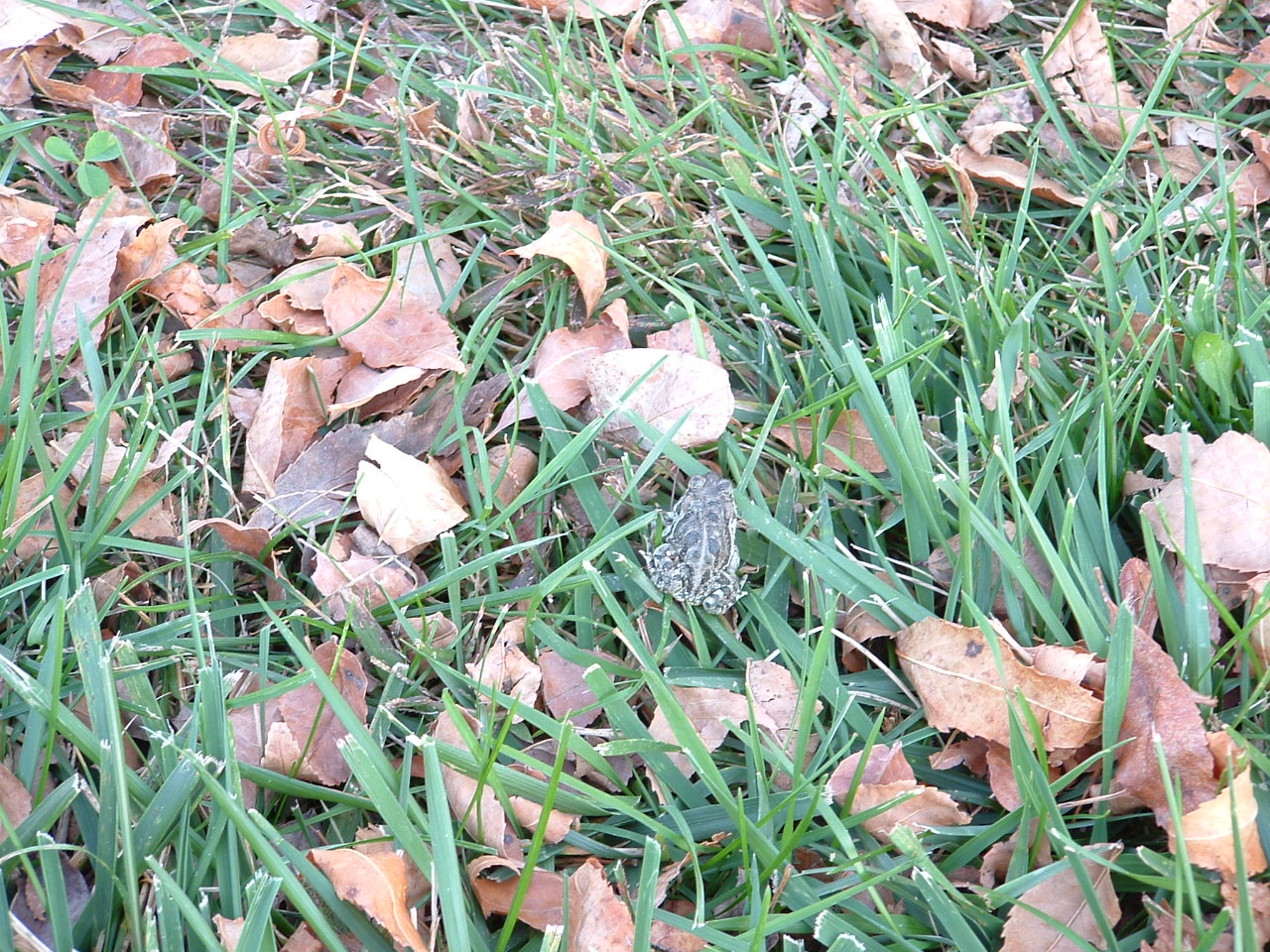
Small toad seeking warmth

Cottonwood with rainbows at sunrise.

12 October 2010

"We beheld a most butifull landscape": Spirit Mound

Spirit Mound at sunrise

We travelled to Vermillion on Friday for the fall meeting of the South Dakota Ornithological Union. Short version: Gene is now on the board of directors for SDOU and we've added a couple of new sites for future visits.

One thing to bear in mind about birding trips is that you will become well acquainted with the endless colors and varities of sunrises. This may not seem to be a good thing when the alarm goes off, but I have yet to see a sunrise that wasn't worth it.


Sunrise

Distant thunderhead across the prairie

Barn at sunrise

The most impressive site was Spirit Mound Historic Prairie, a little rise of Niobrara chalk above the prairie, near the confluence on the Vermillion River and the wide Missouri. It's one of the few places where anyone can provably stand on a site where both Meriwether Lewis and William Clark stood. They ventured up here on August 25, 1804. Tribes in the region considered this a bad spot, full of klittle bad spirits. In Clark's words:

"...droped down to the mouth of White Stone River where we left the Perogue with two men and at 200 yards we assended a riseing ground of about Sixty feet, from the top of this High land the Countrey is leavel & open as far as Can be Seen, except Some few rises at a Great Distance, and the Mound which the Indians Call Mountain of little people or Spirits.."


"...here we got Great quantities of the best largeset grapes I ever tasted, some Blue currents stil on the bushes, and two kinds of plumbs, one the Common wild Plumb the other a large Yellow Plumb…about double the Size of the Common and Deliscously flavoured-“
--W. Clark, August 25, 1804 


Queen Anne's lace in the fall

Fall flower heads

Fall flower heads

Tall grasses

Tall grasses, part of the prairie native plant restoration effort.

"...one evidence which the Inds give for believing this place to be the residence of Some unusisal Sperits is that they frequently discover a large assemblage of Birds about this Mound is in my opinion a Sufficent proof to produce in the Indian mind a confident belief of all the properties which they ascribe it."
--W. Clark, August 25, 1804. There is a good chance that they were seeing flocks of swallows around the summit.

 LeConte's sparrow, profile. NB: The photographer is not this good. The camera is not quite this good. The bird was extremely cooperative.

LeConte's sparrow, other profile.

LeConte's sparrow, still posing.


"...from the top of this Mound we beheld a most butifull landscape; Numerous herds of buffalow were Seen feeding in various directions, the Plain to the N. W & N E extends without interuption as far as Can be Seen- … no woods except on the Missouri Points…if all the timber which is on the Stone Creek [Vermillion River] was on 100 a[c]res it would not be thickly timbered, the Soil of those Plains are delightfull."
---W. Clark, August 25, 1804


Barn from the summit of Spirit Mound

Shadow of Spirit Mound on the prairie

In addition to the LeConte's sparrows flocking at the base of Spirit Mound, we saw an American bittern fly by within 10 feet of us, close enough to see individual feathers. If the spirits of Spirit Mound were in fact birds and not evil beings, as has been suggested, we understand a bit of the awe.